


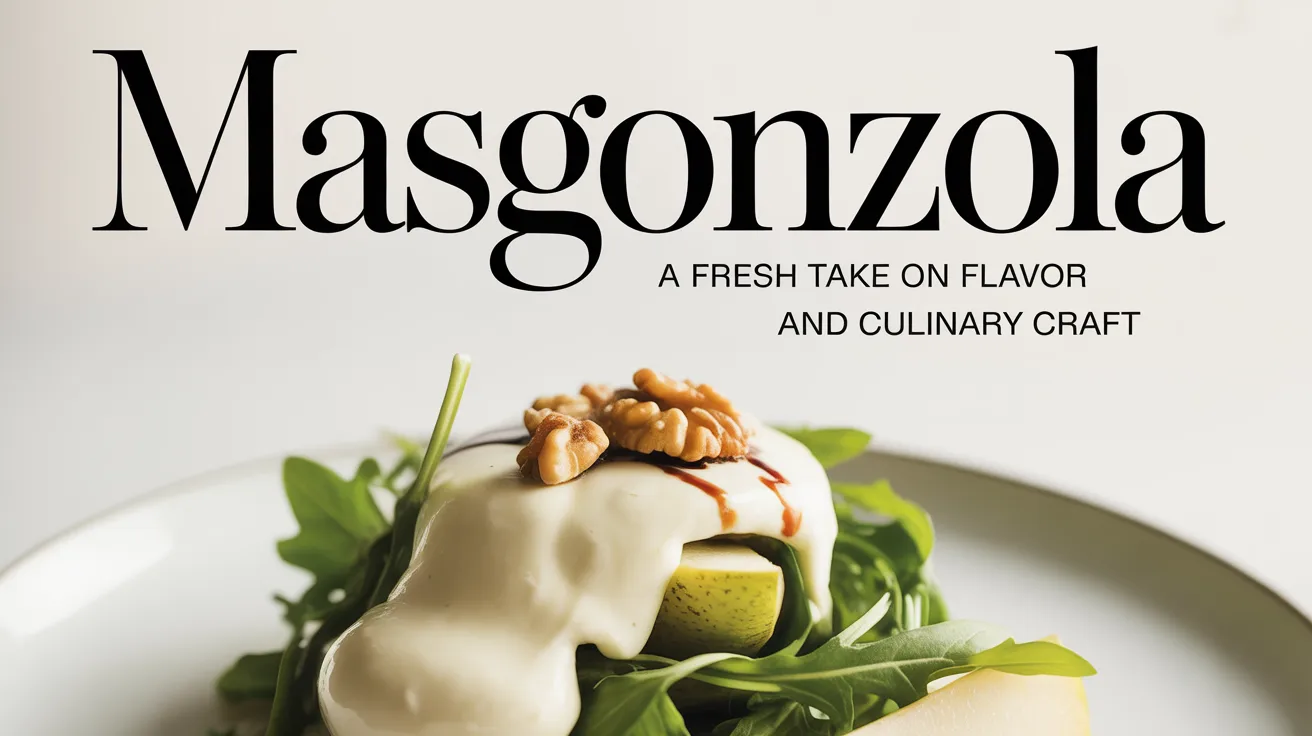
Masgonzola: A Fresh Take on Flavor and Culinary Craft
Food trends come and go, but some ideas capture attention because they feel both new and familiar at the same time. Masgonzola is one of those emerging concepts. Whether you have heard the term in culinary circles or stumbled upon it online, masgonzola is quickly becoming a topic of curiosity among chefs, food enthusiasts, and home cooks alike.
At its core, masgonzola represents a fusion of tradition and innovation. It draws inspiration from well-loved cheese profiles while introducing a distinctive identity that sets it apart. This article explores what masgonzola is, how it is used, why it is gaining popularity, and how you can incorporate it into your own cooking.
What Is Masgonzola
Masgonzola is best understood as a hybrid-style cheese concept that blends creamy richness with bold, slightly tangy undertones. The name itself suggests a relationship with familiar cheeses, yet it is not limited to a single origin or strict definition. Instead, masgonzola represents a category of flavor and texture rather than a rigid product.
Typically, masgonzola is characterized by a soft, spreadable consistency combined with subtle sharpness. It may include elements such as:
- A creamy base that melts easily
- A mild tang with occasional earthy notes
- A balanced salt profile that enhances rather than overwhelms
This makes it versatile across a wide range of culinary applications, from simple snacks to gourmet dishes.
The Origins and Inspiration Behind Masgonzola
While masgonzola is not tied to a specific historical tradition, its inspiration clearly comes from classic European cheesemaking. It borrows from the richness of soft cheeses and the complexity of aged varieties, merging them into something accessible yet refined.
The rise of masgonzola can be linked to modern culinary experimentation. Chefs today are constantly seeking new ways to reinterpret familiar ingredients. By blending textures and flavor profiles, they create products that feel innovative without being intimidating.
Masgonzola fits perfectly into this movement. It offers the comfort of known flavors while presenting them in a fresh and adaptable form.
Flavor Profile and Texture
One of the main reasons masgonzola stands out is its balanced flavor profile. It is neither too mild nor overly intense, which allows it to complement a wide range of ingredients.
Flavor Notes
Masgonzola often features:
- A creamy, buttery base
- Gentle tanginess
- Light earthy undertones
- A clean finish that does not linger too heavily
Texture
Texture plays an equally important role. Masgonzola is typically:
- Soft and spreadable at room temperature
- Slightly crumbly when chilled
- Smooth when melted into sauces or dishes
This adaptability makes it an excellent choice for both cooking and serving as is.
Why Masgonzola Is Gaining Popularity
The growing interest in masgonzola is not accidental. Several factors contribute to its rising appeal.
Versatility
Masgonzola can be used in a wide variety of recipes. From pasta dishes to sandwiches, it enhances flavor without dominating the dish.
Approachability
Unlike some strong cheeses that can be overwhelming, masgonzola is approachable for a broader audience. Even those who typically avoid bold cheeses often find it enjoyable.
Culinary Creativity
For chefs and food creators, masgonzola opens the door to experimentation. It pairs well with both sweet and savory ingredients, making it ideal for innovative recipes.
Social Media Influence
Food trends spread quickly online, and masgonzola has benefited from visually appealing dishes that highlight its creamy texture and melting quality.
Culinary Uses of Masgonzola
Masgonzola shines in both simple and sophisticated dishes. Its flexibility allows it to be used in countless ways.
1. Pasta Dishes
Masgonzola melts beautifully into sauces, creating a rich and velvety texture. It works especially well in:
- Cream-based pasta sauces
- Baked pasta dishes
- Light, herb-infused recipes
2. Gourmet Sandwiches
Spread masgonzola on artisan bread or pair it with roasted vegetables for an elevated sandwich experience. Its creamy consistency makes it easy to layer without overpowering other ingredients.
3. Salads
Crumbled masgonzola adds depth to salads. It pairs particularly well with:
- Fresh greens
- Nuts and seeds
- Fruits like pears or apples
4. Appetizers
Serve masgonzola as part of a cheese board or use it as a dip base. It complements crackers, bread, and even grilled vegetables.
5. Desserts
Though unconventional, masgonzola can also be used in desserts. Its mild tang works surprisingly well with sweet elements like honey, figs, or dark chocolate.
Pairing Masgonzola with Other Ingredients
Pairing is where masgonzola truly excels. Its balanced flavor allows it to harmonize with a wide variety of foods.
Fruits
Fresh and dried fruits enhance its subtle tang. Consider pairing it with:
- Pears
- Figs
- Grapes
Nuts
Nuts add texture and richness. Walnuts and almonds are particularly good matches.
Herbs
Herbs like thyme, rosemary, and basil bring out the earthy notes of masgonzola.
Proteins
Masgonzola complements both plant-based and animal proteins, including:
- Grilled chicken
- Roasted vegetables
- Legume-based dishes
How to Store and Serve Masgonzola
Proper storage ensures that masgonzola maintains its flavor and texture.
Storage Tips
- Keep it refrigerated in an airtight container
- Avoid exposure to strong odors, as it can absorb them
- Allow it to come to room temperature before serving for the best texture
Serving Suggestions
Masgonzola is best enjoyed when it is slightly softened. This enhances its creaminess and allows its flavors to fully develop.
Masgonzola in Modern Food Culture
Masgonzola reflects a broader shift in how people approach food. Today’s consumers are more adventurous yet still value comfort and familiarity. This balance is exactly what masgonzola offers.
Restaurants are increasingly incorporating it into menus as a way to add depth without alienating diners. Meanwhile, home cooks appreciate its ease of use and versatility.
Food bloggers and influencers have also played a role in popularizing masgonzola. Creative recipes and visually appealing presentations have helped it gain traction across different audiences.
Health and Nutritional Considerations
Like any cheese-inspired product, masgonzola should be enjoyed in moderation. It provides:
- Protein
- Calcium
- Healthy fats
However, it may also contain sodium and saturated fats, depending on how it is made. Balancing it with fresh ingredients such as vegetables and whole grains can help create well-rounded meals.
Tips for Cooking with Masgonzola
If you are new to masgonzola, a few simple tips can help you get the most out of it.
- Start small. Use it as an accent rather than the main ingredient.
- Experiment with temperature. It behaves differently when chilled versus melted.
- Pair thoughtfully. Combine it with ingredients that complement rather than compete.
- Taste as you go. Its flavor can intensify slightly when heated.
The Future of Masgonzola
Masgonzola is still evolving, and its future looks promising. As more chefs experiment with it, new variations and interpretations are likely to emerge.
We may see:
- Regional adaptations with local ingredients
- Plant-based versions for alternative diets
- Gourmet applications in fine dining
Its flexibility ensures that it can adapt to changing food trends while maintaining its core appeal.
Final Thoughts
Masgonzola is more than just a passing trend. It represents a thoughtful blend of tradition and innovation, offering a unique flavor experience that is both approachable and exciting.
Whether you are a seasoned chef or someone who simply enjoys good food, masgonzola invites you to explore new possibilities in the kitchen. Its versatility, balanced taste, and growing popularity make it a concept worth paying attention to.
As food culture continues to evolve, ingredients like masgonzola remind us that creativity and comfort can coexist beautifully on the plate.